
The Concept of Luck in Gambling
Luck is often perceived as a significant factor in gambling, especially within the vibrant environment of casinos. Many players enter these establishments with an expectation that their fortunes will be influenced by random chance, prompting them to wager both time and money in hopes of favorable outcomes. This belief is rooted in the unpredictable nature of casino games, where results are frequently dictated by a blend of random number generators and the whims of chance. In addition, players may seek out a fast withdrawal casino to enhance their overall experiences and successes.
Within casino settings, players frequently encounter phenomena such as ‘hot’ or ‘cold’ streaks. A hot streak may manifest when a player experiences a series of wins in quick succession, leading to an inflated sense of luck and confidence. Conversely, a cold streak can evoke feelings of frustration and even hopelessness, pushing players into a negative emotional state. These psychological dynamics can significantly influence player behavior; for instance, those on winning streaks might increase their bets, convinced that their favorable luck will persist. On the other hand, understanding these psychological aspects can help players maintain a grounded approach, preventing them from chasing losses or making impulsive decisions driven by emotion.
Despite the apparent significance of luck in gambling, it often remains an abstract concept that varies widely from player to player. Some individuals might credit their wins to sheer luck, while others attribute their losses to poor strategic choices or misjudgments. This duality in perspectives reinforces the idea that while luck can certainly influence short-term outcomes, a more analytical approach to understanding games can empower players to make informed decisions, ultimately enhancing their experiences in the casino landscape.
The Role of Skill and Strategy
While luck undeniably impacts casino outcomes, the elements of skill and strategy are equally important, particularly in games like poker and blackjack. Players who dedicate time to mastering the rules, strategies, and probabilities of these games tend to achieve better results than those who rely solely on luck. By grasping the mathematical principles underlying these games, players can make informed strategic decisions that maximize their chances of winning while minimizing potential losses.
Take blackjack, for example; players who understand the optimal times to hit, stand, double down, or split based on the dealer’s upcard can significantly boost their odds of winning. Additionally, skilled poker players employ techniques such as bluffing, reading opponents, and calculating pot odds to gain a competitive edge. This intricate interplay between skill and luck emphasizes the critical need for preparation and knowledge, allowing players to navigate the unpredictability of casino experiences more effectively while maintaining a strategic outlook.
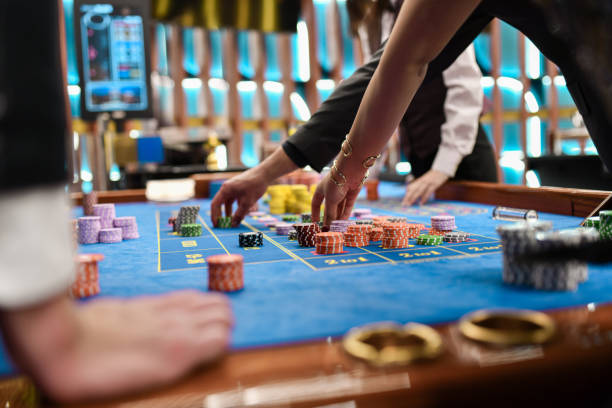
Moreover, experienced gamblers often cultivate a mindset that harmonizes both elements of luck and skill. They might acknowledge the role of luck in immediate outcomes while simultaneously leveraging their understanding of game mechanics to inform their decisions. By recognizing the importance of both factors, players can adopt a more holistic approach to gambling, enabling them to enjoy their time in casinos while striving for favorable results that stem from a blend of chance and calculated play.
Probability and House Edge
To fully comprehend the dynamics of luck within casino outcomes, it is essential to understand both probability and the house edge. Every game offered in a casino is meticulously designed to include a built-in advantage for the house, ensuring that over time, the casino will consistently generate a profit. This house edge varies between different games; for instance, blackjack offers a relatively low house edge when played optimally, whereas slot machines typically present a much higher edge, resulting in greater uncertainty for players who depend entirely on luck.
Statistical probability is a fundamental concept that governs outcomes in games of chance. When players engage in games such as roulette, it is crucial to remember that each spin is independent, meaning past outcomes do not influence future results. This misunderstanding can lead players to fall into the trap of the “gambler’s fallacy,” where they mistakenly believe that previous losses must be compensated for by future wins. By grasping that each round is random, players can better manage their expectations and approach their gameplay with a rational mindset.
Ultimately, while luck is an intrinsic aspect of the casino experience, a solid understanding of probability and the house edge offers players deeper insights into how outcomes are determined. By acknowledging these components, players can approach their casino experiences with a blend of realism and optimism, recognizing that while luck can yield temporary victories, it is the strategic comprehension of games that ultimately enhances their overall gambling journey.
The Psychology of Gambling and Luck
Gambling psychology is deeply intertwined with the concept of luck, significantly influencing players’ decisions and emotional states throughout their gaming experiences. Many players develop superstitions or rituals they believe will enhance their chances of winning. These can range from wearing specific clothing to carrying lucky charms, demonstrating how psychological factors can shape gambling behaviors. Such habits often provide players with an illusion of control in an otherwise unpredictable environment, making them feel more empowered during their gaming sessions.

Moreover, the allure of luck can evoke a complex emotional response within players. The thrill of winning can lead to feelings of euphoria and excitement, while the experience of losing often results in disappointment or despair. This emotional rollercoaster can compel players to chase their losses or misjudge their own gambling abilities. By recognizing their emotional responses to winning and losing, players can significantly influence their future gambling decisions and overall behavior within the casino setting. Maintaining a balanced mindset can help facilitate more rational decision-making rather than letting impulse dictate their actions.
Furthermore, casinos leverage the psychology of luck by crafting environments that amplify the thrill of gambling. From the sounds of spinning reels to the vibrant lights flashing on the gaming floor, every detail is designed to enhance the emotional experience for players. This carefully constructed atmosphere serves to intensify the perception of luck, often encouraging players to stay longer and gamble more. By understanding these psychological influences, players can cultivate a healthier relationship with gambling, focusing on enjoyment rather than solely on outcomes dictated by luck.
Embracing Luck: A Balanced Approach to Gambling
While luck undoubtedly plays a notable role in determining casino outcomes, it should not be the sole focus for players. Embracing a balanced approach that incorporates skill, strategy, and an understanding of probability can significantly improve the overall gambling experience. To achieve this balance, players should set realistic expectations regarding their chances and recognize that luck is merely one element of a multifaceted gaming landscape. By fostering a mindset that values both luck and strategy, players can navigate the highs and lows of gambling more successfully and enjoyably.
Additionally, individuals can establish limits on their gambling activities, allowing them to relish the excitement of play without succumbing to excessive losses. This combination of strategy and self-regulation promotes responsible gaming practices and nurtures a healthier attitude toward luck as it pertains to gambling. By understanding luck as fluctuating and unpredictable, players can maintain perspective on their gaming experiences, thereby minimizing the emotional impact of both wins and losses.
Ultimately, casinos are designed to provide entertainment, and players should approach their gaming experiences with this mindset. By integrating techniques to enhance gameplay alongside a recognition of luck’s role, gamblers can create a fulfilling and enjoyable casino experience. Engaging with games in a manner that values both skill and chance cultivates a better balance, allowing individuals to appreciate the rich diversity of gaming while pursuing their own paths to success.